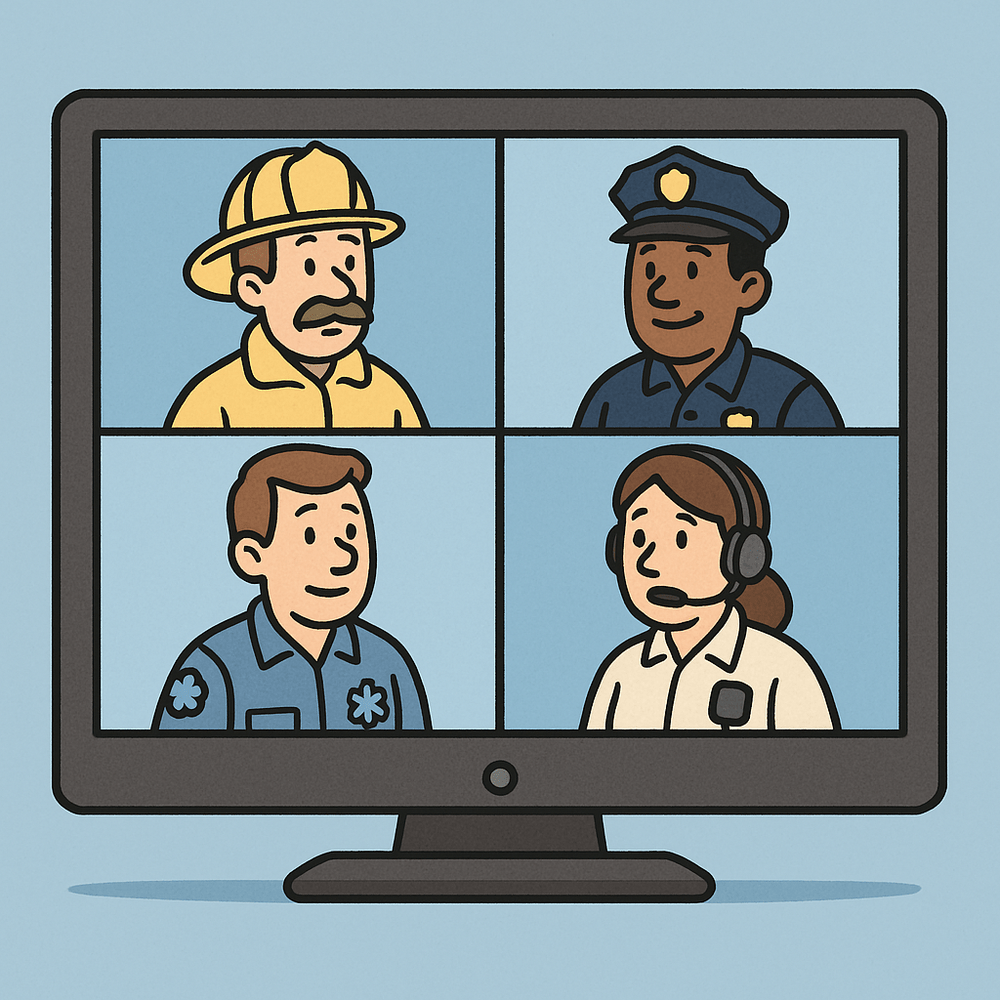
In recent years, there has been a notable increase in weekly peer support meetings sponsored by regional peer support teams. These gatherings have become essential for building resilience among first responders, healthcare workers, and others in high-stress professions. Regular attendance in these meetings not only prepares individuals for potential critical incidents but also provides a robust support system in their aftermath.
The Rise of Peer Support Meetings
The growing recognition of mental health challenges in high-stress occupations has led to the expansion of peer support programs. These programs offer structured environments where individuals can share experiences, coping strategies, and provide mutual support. Organizations like the International Critical Incident Stress Foundation (ICISF) have been instrumental in promoting such initiatives, emphasizing the importance of peer-led interventions in mitigating stress and trauma.
Building Resilience Before Critical Incidents
Regular participation in peer support meetings fosters resilience by enhancing coping mechanisms and reducing feelings of isolation. A study published in the Journal of Affective Disorders found that peer support significantly improves self-esteem and prosocial behavior, especially when combined with high levels of resilience. These meetings provide a safe space to discuss challenges, share experiences, and develop strategies to handle stress effectively.
Enhancing Support After Critical Incidents
Following a critical incident, peer support becomes even more crucial. Structured debriefings and discussions help individuals process their experiences, reducing the risk of long-term psychological effects. The National Interagency Fire Center highlights that Critical Incident Peer Support Groups offer education on typical stress reactions and coping techniques, fostering a sense of community and camaraderie.
SHIELD Recovery Peer Support Meetings
For those seeking structured peer support, SHIELD Recovery offers weekly meetings facilitated by trained professionals. These sessions are designed to provide a confidential and supportive environment for individuals to share their experiences and build resilience. Whether you’re preparing for potential challenges or seeking support after a critical incident, SHIELD Recovery meetings can be a valuable resource.
To learn more or to obtain meeting login information, please contact shield@sc-rsi.org.
Engaging in regular peer support meetings can be a proactive step towards maintaining mental well-being in high-stress professions. By building resilience and fostering a supportive community, individuals are better equipped to handle the demands of their roles and recover more effectively from critical incidents.
About the Author:
Tim Wojcik is a public safety chaplain, retired firefighter/paramedic, and the director of the South Carolina Responder Support Initiative (SC-RSI). With over three decades of frontline experience, he now focuses on building peer support, chaplaincy, and wellness programs for emergency and disaster responders across the state. Tim is passionate about creating spaces where responders feel seen, heard, and supported—not just in crisis, but in everyday life. Learn more about SC-RSI at www.sc-rsi.org.
 South Carolina - Responder Support Initiative
Leave a comment