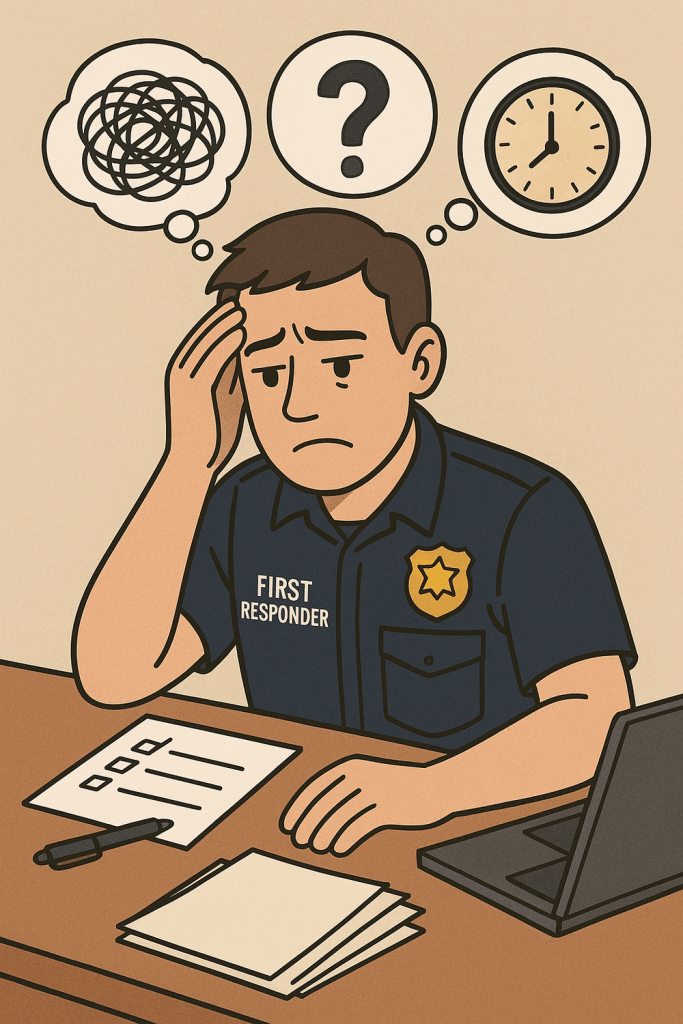
Executive dysfunction is a term used to describe difficulties in the cognitive processes that allow us to plan, make decisions, organize, initiate tasks, and regulate emotions. For first responders, these processes are crucial—after all, they make life-or-death decisions under pressure, prioritize rapidly shifting tasks, and must maintain focus in high-stress situations. However, when these executive functions become impaired, it can lead to significant challenges in both professional and personal life.
The Impact of Executive Dysfunction on First Responders
First responders are no strangers to stress. They face trauma, high-pressure situations, and long hours—factors that can contribute to cognitive overload. Over time, this can lead to an inability to manage tasks, forgetfulness, and poor decision-making. Executive dysfunction manifests in several ways:
Difficulty with Task Management: Prioritizing urgent tasks, handling multiple responsibilities, or even starting a simple task can feel overwhelming. First responders may forget important steps, mismanage their time, or become paralyzed when faced with a large to-do list.
Emotional Regulation Challenges: Emotional responses—anger, frustration, or sadness—are often heightened in high-stress environments. When executive functions are impaired, managing these emotions can become more difficult, leading to outbursts or detachment.
Impaired Decision-Making: The ability to make clear decisions quickly is vital in emergency situations. Executive dysfunction can cloud judgment, delay responses, or make decisions feel paralyzing. This can affect everything from operational efficiency to interpersonal dynamics.
Memory and Concentration Issues: First responders often juggle complex details, from technical protocols to remembering colleagues’ names. Executive dysfunction can lead to forgetfulness, mistakes, and difficulty retaining information, which can create confusion and even danger.
The Root Causes
Executive dysfunction isn’t just about poor memory or laziness—it’s often tied to more complex factors. For first responders, the causes can include:
Trauma: Exposure to traumatic events can have a lasting impact on cognitive functions. It can change the way the brain processes information and causes a delayed response to stimuli.
Stress and Burnout: The ongoing physical and emotional demands of the job can deplete mental resources. Over time, this depletion can lead to cognitive impairments, making it harder to handle tasks efficiently.
Sleep Deprivation: Chronic lack of sleep, which is common in the first responder profession, directly affects executive function, leading to poor decision-making and memory issues.
Mental Health Issues: Conditions like anxiety, depression, PTSD, and ADHD can exacerbate executive dysfunction. For many first responders, these struggles are compounded by the stigma surrounding mental health in the workplace.
Overcoming Executive Dysfunction: Pathways to Support
If you’re a first responder experiencing executive dysfunction, it’s important to understand that you are not alone. Recognizing the issue is the first step in seeking help. There are ways to manage and overcome these challenges:
Peer Support: Connecting with others who understand your experiences can help alleviate the pressure. Peer support networks offer a safe space for first responders to share and understand one another’s struggles.
Therapy and Counseling: Speaking with a therapist or counselor trained in trauma recovery can offer strategies to cope with the cognitive overload that comes with the job. Therapy can also help address any underlying mental health conditions that may be contributing to executive dysfunction.
Mindfulness Practices: Incorporating mindfulness and grounding techniques can help reduce stress and improve concentration. Simple practices like deep breathing or taking a few moments to refocus can help clear your mind and improve decision-making.
Structured Routines: Building and sticking to a routine can help improve organization and decrease the overwhelm that comes with an ever-changing schedule. Small steps, such as writing down tasks or using digital reminders, can make a world of difference.
How We Can Help
At the South Carolina Responder Support Initiative (SC-RSI), we understand the unique challenges that first responders face. Whether you’re struggling with executive dysfunction, trauma, or burnout, we are here to provide the support you need. If you or someone you know is struggling, please reach out to us at info@sc-rsi.org.
Together, we can break the stigma surrounding mental health in first responders and help each other overcome the hurdles that come with the job. You are not alone in this journey, and support is available.
About the Author:
Tim Wojcik is a public safety chaplain, retired firefighter/paramedic, and the director of the South Carolina Responder Support Initiative (SC-RSI). With over three decades of frontline experience, he now focuses on building peer support, chaplaincy, and wellness programs for emergency and disaster responders across the state. Tim is passionate about creating spaces where responders feel seen, heard, and supported—not just in crisis, but in everyday life. Learn more about SC-RSI at www.sc-rsi.org.
 South Carolina - Responder Support Initiative
Leave a comment